How Work Is Changing in 2026: Why Companies Are Rethinking “Renting an Office”
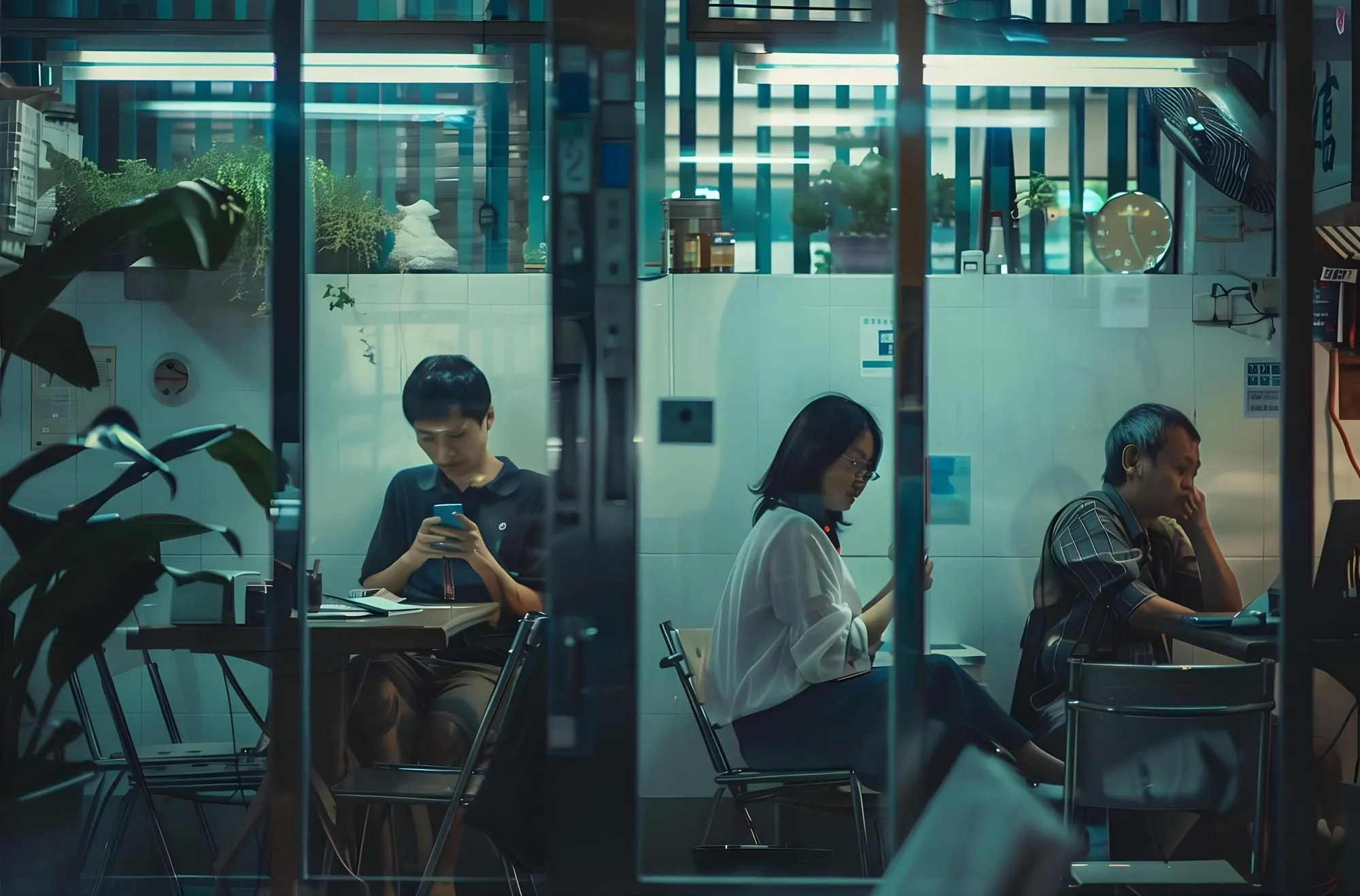
In the past, starting a company usually meant signing a long-term lease, fitting out an office, buying equipment and then hiring people to handle day-to-day administration.
But in 2026, the way companies think about “the office” is changing.
As remote collaboration, hybrid work and project-based teams become common, what companies really need is no longer just a fixed amount of floor space, but space that can adapt quickly as the organization changes.
Take a newly founded company: at first it may have just 2 core members; six months later it grows to 6, and a year later it may set up separate project teams. Under a traditional lease, every one of those changes can mean the cost of finding a new location, fitting it out and moving.
So the value of flexible offices is not just “shorter lease terms.”
More importantly, companies can turn what used to be a fixed office cost into a more flexible operating cost.
When you need an address, use a business address; when you need a place to work, use an office; when you need to host an important client, book a professional meeting space.
The office of the future won’t necessarily be bigger, but it will certainly be more flexible.
For startups, small and medium-sized businesses and multinational teams, space is shifting from a fixed asset to a business service that can be configured on demand.
That is what the new generation of flexible workspace is changing.
JIN SPACE Insights|Future of Work